


The Studio
We are a design duo based in London with a background in regenerative futures, design, and practice. We have a shared passion for emotionally intelligent restorative design, based upon a profound respect for the wisdom of nature and the positive emotional and physical impact this has on our lives.
Aterre; earthbound, from the earth, represents both our ethos and shared french heritage. We collaborate across multi-disciplinary fields to innovate and create sustainable design solutions to create a world more aligned, more respectful and more symbiotic with the planet that sustains us. Our hope is to play a meaningful part in an ever growing community of regenerative designers creating a more uplifting, nurturing, environmentally conscious way of living and designing the world in which we live.
What We Bring
Our expertise spans Regenerative Futures, Regenerative Practice and Experiential Design, connecting products, services and systems with the culture, processes and values that shape them, and making regenerative futures tangible through immersive embodied experiences. Together, these approaches bring intention, practice and impact into greater coherence, creating truly regenerative and impactful projects and aligned ethical work practices that benefit both people and the planet.
Our Ethos
01 LIVING WEB
Every organisation is part of a living web, from the biosphere to the local ecosystem. Our choices reach beyond the immediate project - shaping the places, relationships and the conditions in which human and beyond human life can flourish.
Organisations can have strong sustainability and impact intentions without fully understanding their impact on the wider living system, or whether their choices genuinely support the regenerative outcomes they claim. This can undermine credibility, damaging reputation and leaving them vulnerable to greenwashing.
02 WHOLE SYSTEMS
Individual improvements don’t necessarily support the health of the whole.
These are questions of relationship, not simply performance. Where are the dependencies? Who and what bears the impact? What needs to change for an improvement in one part to support the health of the whole? This is whole-systems thinking.
We work with organisations ready to examine those questions, in order to move from isolated interventions towards a more coherent and holistic way of designing and acting.
03 STEWARDSHIP
Stewardship means taking responsibility for the long-term wellbeing of the places, resources and relationships entrusted to our care. Informed by Indigenous traditions of Kinship, it extends that responsibility to other species, land, water and future generations.
As keystone participants within living-systems, humans can shape the conditions in which life flourishes. Our role is to cultivate reciprocal relationships that support ecological vitality, recognising that our own wellbeing depends on the health of the whole.
-

What We Do
We specialise in Regenerative Futures, Regenerative Practice and Experiential Installations, shaping products, services, places, systems and cultures that bring regenerative intentions into practice and make reciprocal ways of living tangible.
-

Who For
Climate Pioneers, Cultural Institutions, Foundations, Organisations, Brands, Design, Architecture & Placemaking and Investment Funds, seeking to translate sustainability commitments into regenerative outcomes. Aligning intention, strategy and everyday practice with the wellbeing of people, other species and the wider living world.
-

How We Do It
We bring living-systems thinking and stewardship principles into the decisions that shape projects and organisations. From design briefs, materials and methods to strategy, culture and processes, we examine how each part contributes to the whole. Through the Ecoherence Framework™, we identify gaps between strategic aims, internal practice and external impact, then develop practical pathways towards more coherent, reciprocal ways of working with the living world.





-
Anouska Anquetil is a Regenerative Futures Strategist and Design Council Expert. She brings experience across organisational strategy and culture, brand congruence, transdisciplinary design, built and urban spaces, creative direction and project leadership.
She applies regenerative and living-systems thinking to organisational, systemic and design challenges. Grounded in stewardship principles and informed by ancestral knowledge, holistic science, design psychology and ethical technology, my work helps organisations move beyond isolated interventions towards coherent, future-fit approaches that foster resilience and prosperity.
Working with organisations that need to:
• develop a regenerative strategy or vision
• rethink a product, service or system through a regenerative lens
• translate sustainability and impact commitments into meaningful action
• inspire organisational, systemic or cultural change
• explore reciprocal relationships with the more-than-human world
• create immersive installations and experiences that make possible futures tangible and inspire cultural shifts.
Wider experience includes organisational strategy and culture; brand positioning and congruence; transdisciplinary design; built and urban spaces; creative direction and project leadership; awards and industry engagement; public speaking, judging and workshops.Accreditations: MA Regenerative Design - CSM/UAL | 3 Horizons Facilitator | Indigenous Sciences - Gaia Education | Design Council Expert | Think like a Tree Alumni |
-
Our Regenerative Practice draws on stewardship principles, ancestral knowledge, holistic science, design psychology and ethical technology. Across consultancy and experiential work, we connect the decisions organisations make with the living systems in which those decisions take effect. The impact of design upon how we relate to, value, and design for the ‘multi-species’ world.
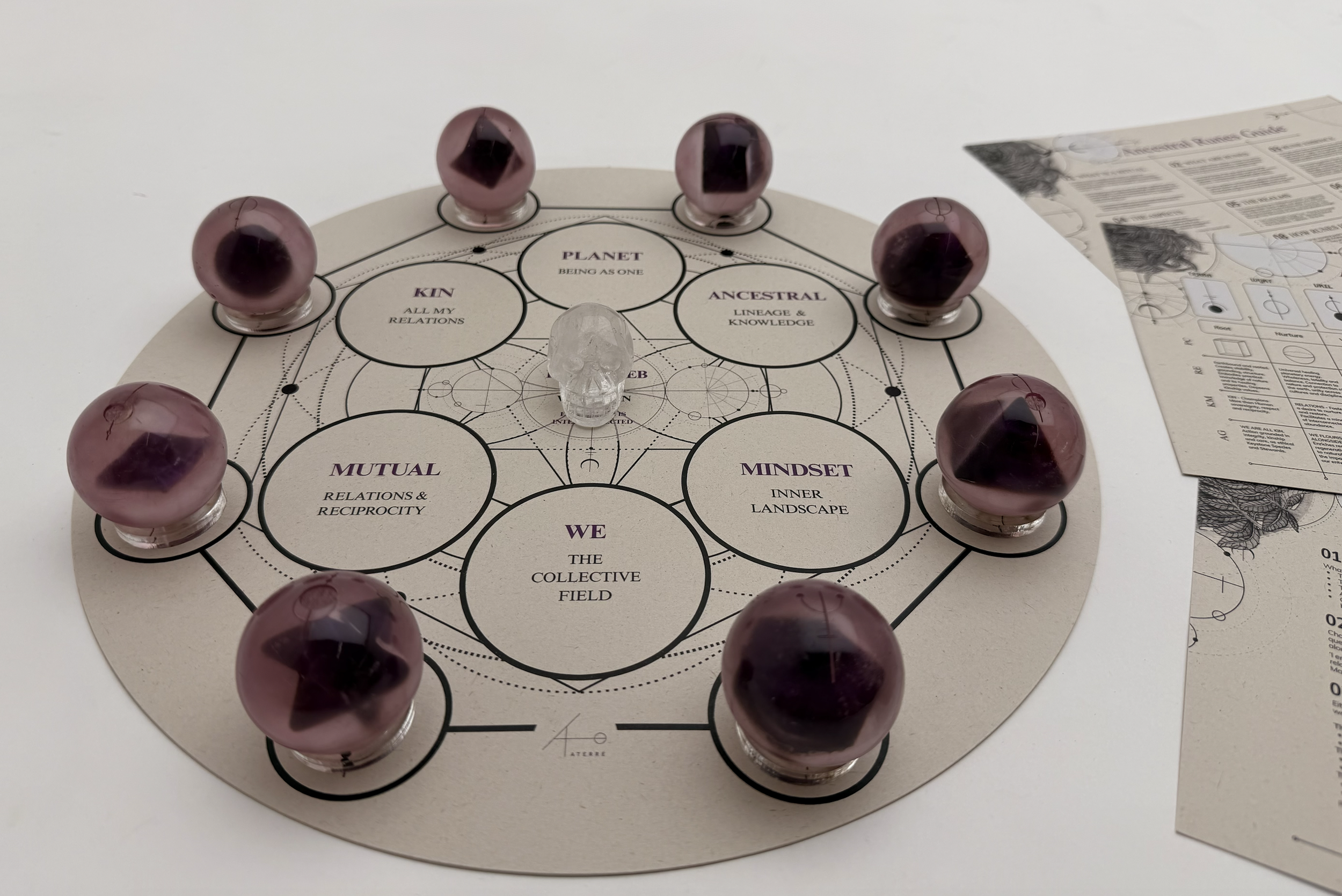
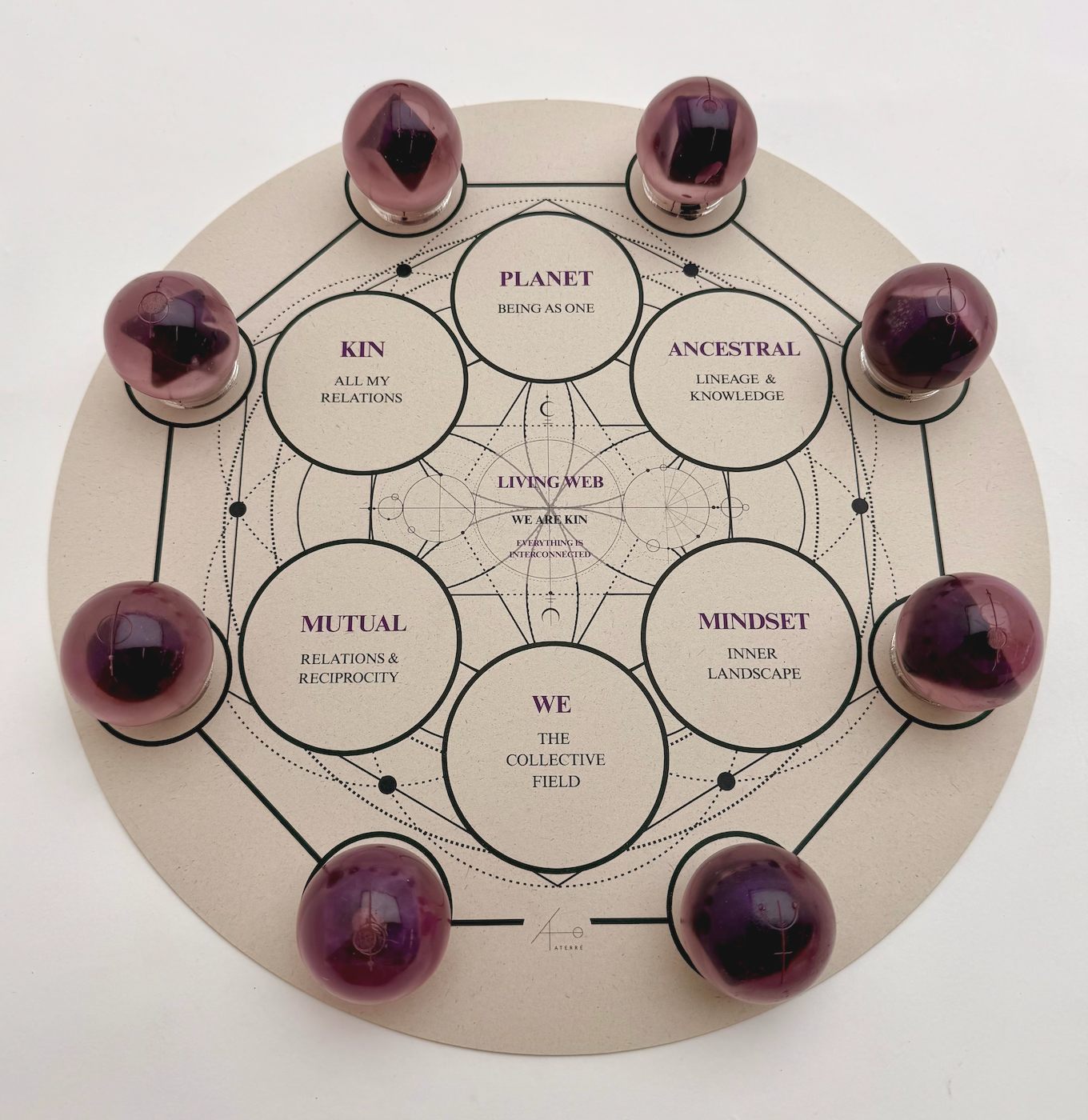
Within our creative practice, we design experiential installations that make relational ways of thinking tangible. Sensory, participatory and multimedia experiences invite audiences to explore future paradigms grounded in kinship, ancestrality and stewardship. These experiential primers translate complex principles of reciprocity and living systems into a deeper embodied understanding, inspiring cultural change from the ground up.
-
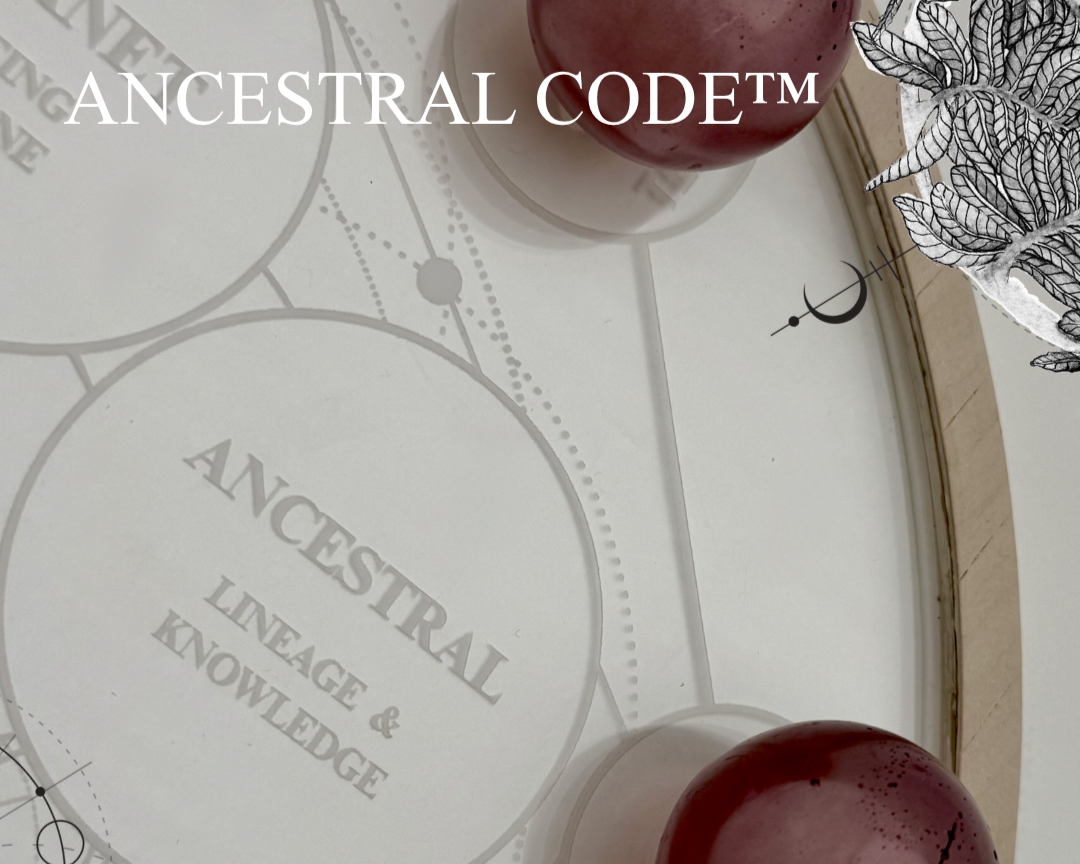
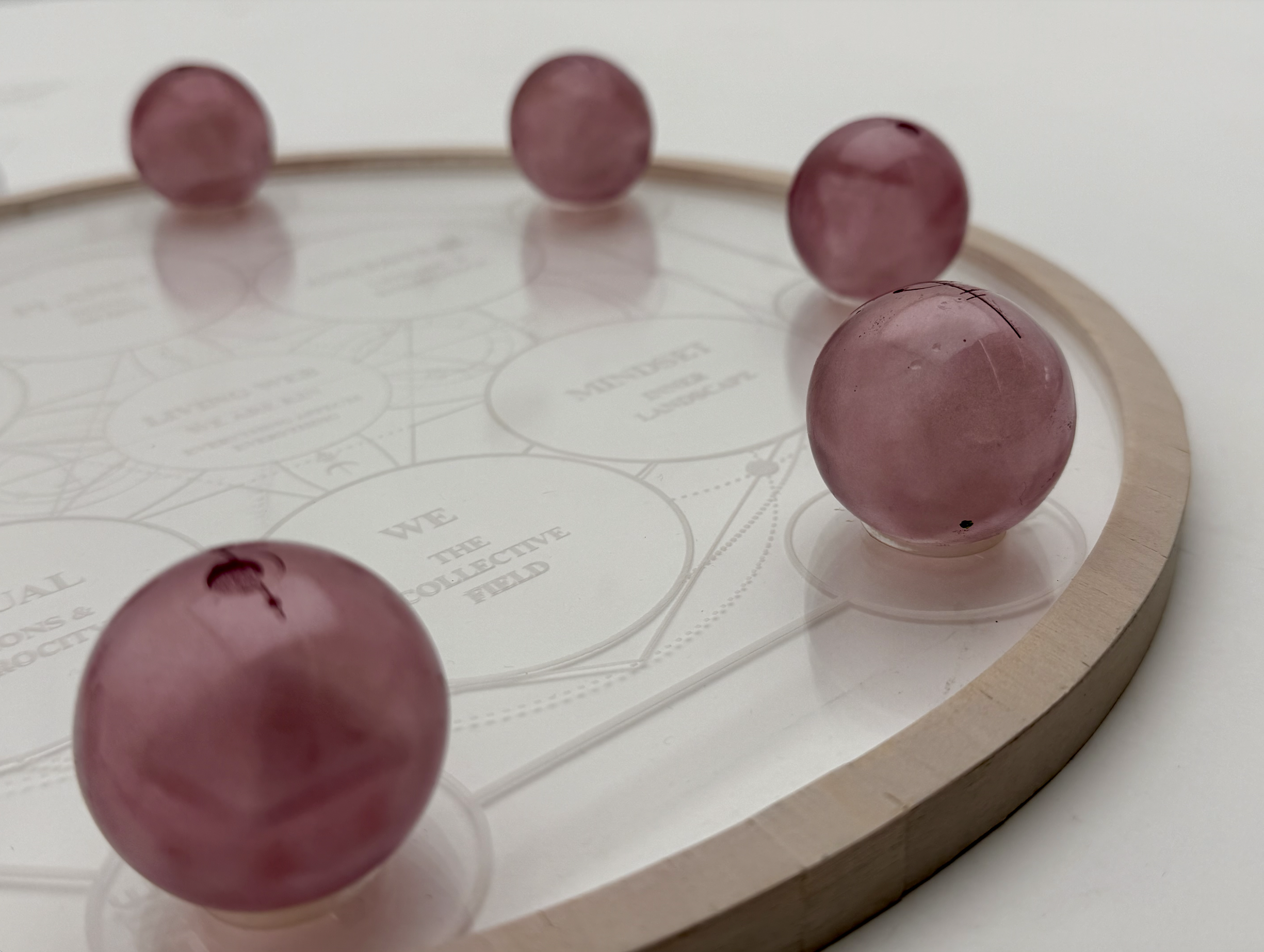
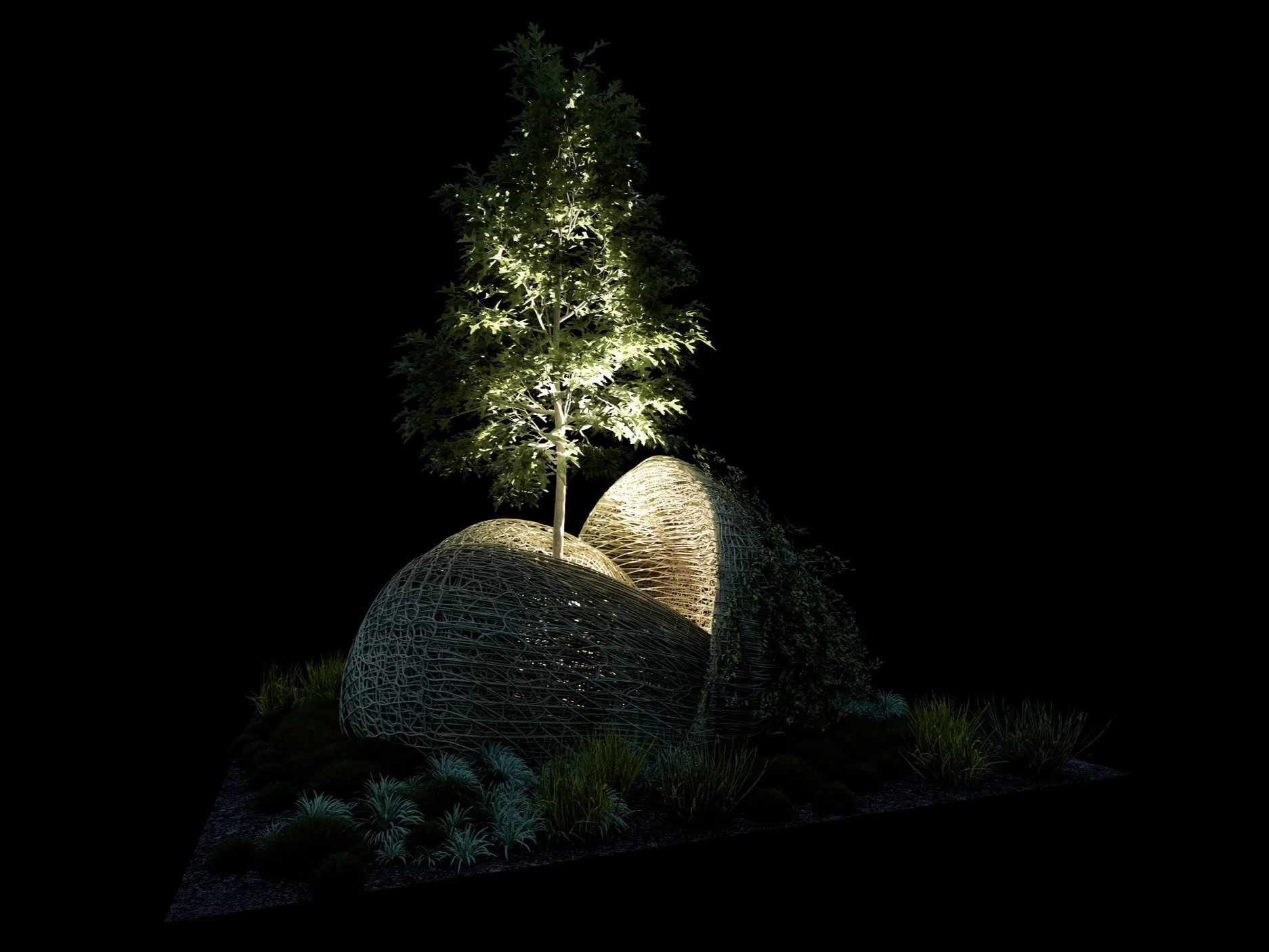
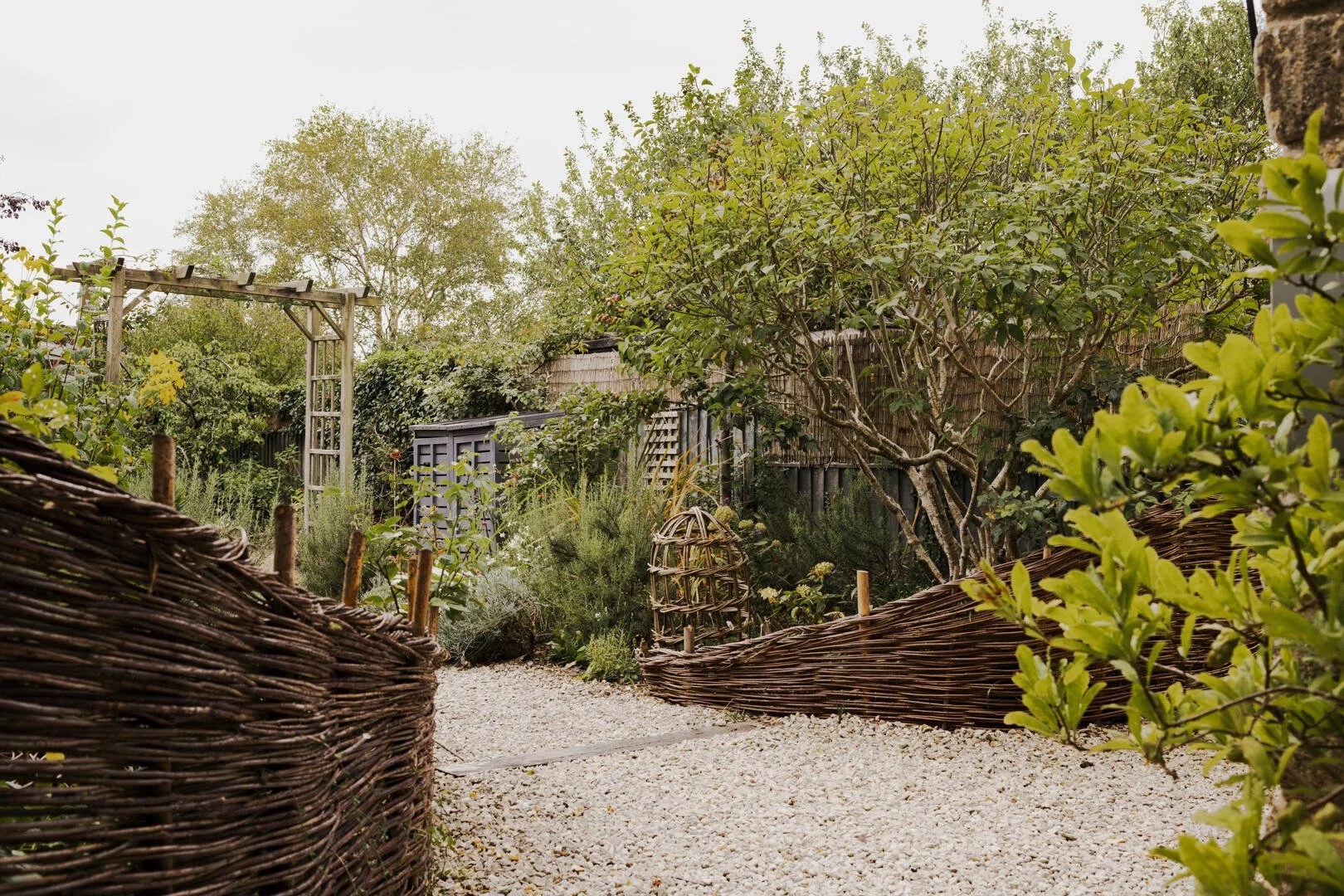
Scroll through the gallery above to see examples of our experiential installations. Installations are all immersive and sensory and range from physical forms incorporating traditional skills and biomaterials, to multi-media digital activations that employ modern tech in a considered planet conscious manner.
Our Clients
Bounce | Fora | BBC Television Centre | Battersea Power Station| RIBA | State of Play | Wandsworth Council | The Collective | Ministry | Trifle | Native Land | Crafts Council | Ace Hotel | Museum of Architecture | Conservatory Archives | David Collins Studio | Design Council | UAL
Philosophy
We envision futures shaped by reciprocal relationships between people, technology and the living world. Through regenerative futures practice, we explore how places, spaces and systems can nurture the ecological and social relationships they are part of, creating conditions for humans and multi-species to flourish together.
Drawing on living-systems thinking, ancestral knowledge and design psychology, we connect this vision with practical choices, aligning what we create, how we work and the impacts that follow. Our aim is to help cities, communities and organisations find their place within the wider web of life, shaping resilient futures through greater care, coherence and reciprocity. Creating sympoietic spaces, cultures and systems that flourish in relationship with the wider living world. The time has come to be holistically Planet Conscious.

“A world envisioned in harmony with the planet that sustains us and which harnesses future technology to do so. A world where cities will be designed within nature, not the other way around.” Aterre
What Our Clients Say
“From design, to ordering and installation, Aterre services were efficient, professional and cost-effective. The design took into account our company culture, branding and the space and they executed a vibrant and very manageable solution. The feedback from our team has been so positive.”
— Louise Neilson - State of Play Hospitality
Aterre Studio created the fantastic plant display at The Gingerbread City this year. They were lovely to work with and we were thrilled with the results and would recommend them in a heartbeat!
— Melissa Woolford - Museum of Architecture


Key Concepts
-
Strategy creates the foundation and road map to achieving effective and impactful action, guiding teams towards greater collaborative outcomes. So it is vital to underpin this strategy with the regenerative values and principles that foster a sustainable future.
We offer our expertise to develop strategies that are firmly rooted in a sound regenerative framework through research, analysis, and stakeholder engagement, thus identifying sustainable opportunities that champion congruence, integrity, and alignment with a regenerative future, considering environmental, social, and economic aspects.
-
Strategy alone is not enough, the structure supporting your strategy is equally vital, as these two elements are intrinsically intertwined. Without organisational health there is no long term sustainable success, without planetary health, there is no human success.
Our Regenerative Systems consultancy goes beyond conventional management consultancy approaches and looks at working practices, structure and culture through a regenerative lense. We believe meaningful success lies in building congruent and aligned systems that promote sustainability and regeneration across the entire framework of your organisation.
-
Encompasses design, systems and strategy, through an entirely holistic approach to not only the way we design, but our frameworks, culture and values. Regenerative practices are inherently symbiotic, restorative and beneficial to all.
-
Employs the design wisdom of nature and living systems alongside a design methodology with a deeper understanding and alignment to the natural world.
-
Is the responsible management and care of resources, whether natural, cultural, or social, with a moral obligation to benefit both present and future generations. It is a dominant philosophy in Indigenous cultures, which extends into Kinship and care for all biotic and abiotic elements of the earth.
Keystone species have a disproportionately large effect on their natural environment, relative to their abundance. So play a critical role in maintaining and engineering the structure of their community and ecosystem. When a lifeshed loses its keystone species, it changes dramatically and may cease to exist altogether. Therefore humans have the potential to play a vital role as a planetary keystone species, ensuring the balance of the natural world is maintained.
-
By considering the interconnectedness of all elements within a project or the organisation itself, clients can expect comprehensive solutions that address not only immediate needs but also long-term sustainability and resilience.
-
Regenerative Practices prioritise ethical decision-making, promotes responsible design choices, congruent processes and culture, alongside conscious resourcing and project management. Values-driven practices, projects and organisational cultures that align with broader ethical and environmental aspirations.
-
Refers to the patterns of interaction, communication, and influence that develop over time within any relationship system. It describes the ebb and flow, the push and pull, and the established ways in which actors and elements engage with one another. Entanglement represents the inter-dependent ways in which these dynamics are inter-related.
-
Reciprocal Systems describe a dynamic, often mutualistic exchange between living entities and their environment, fostering collective well-being and long-term viability. By attuning to reciprocal systems within the broader ecological webs of life, giving for what we receive, we naturally create more regenerative dynamics and a community of resources as kin.
Regenerative Design fosters reciprocal relationships between built environments and natural ecosystems and extends beyond traditional sustainability practices, by emphasising regenerative approaches that actively replenish resources and work within ecosystem parameters.
-
Is the broad ecological reality of flourishing together through intertwined systems. It encourages and facilitates mutual consideration and respect for all and it requires each individual to think of themselves as a member of a larger group, community and system.
-
Is a fundamental change in the basic concepts, practices, or worldview of a discipline or society, replacing an old, accepted model with a new, revolutionary one. It's more than just an update; it's a deep transformation in how things are understood or done, often driven by breakthroughs that challenge the status quo and lead to deep behavioural change. Famously described by Thomas Kuhn.
-
Refers to the patterns of interaction, communication, and influence that develop over time within a highly interdependent relationship system with inter-related dynamics. It describes the ebb and flow, the push and pull, and the impact from the ways in which actors and elements engage with one another.
-
Extractivist culture, mindsets and societal systems treat natural resources, human bodies, and cultural knowledge as raw materials to be exploited for profit. Typically driven by imperial, capitalist and colonial power structures, it promotes a "take-make-waste" mentality, placing economic gain above ecological and social welfare.
-
Is the effect, positive or negative that our actions have upon our inter-dependent and inter-related system. Consciousness of the impact upon the web of resources that we and other species depend upon, increases our ability to make longer term planet conscious choices that benefit ourselves and our beyond human kin.
-
An experiential, sensory, visual and sometimes physical interactive installation, display, artwork, workshop or other community engagement practice - that inspires and provokes thought, reflection and consideration of beliefs, behaviours, cultural norms, practices and mindsets.

“Regenerative systems are those in which each element is interconnected. Each relies on the others to maintain and thrive for the betterment of all” NetImpact.org
Regenerative Design goes beyond sustainability and actively contributes to restore and replenish what human activities have radically deteriorated.
CSM - MA Regenerative Design
A ‘regenerative’ mindset is one that sees the world as built around reciprocal and co-evolutionary relationships, where humans, other living beings and ecosystems rely on one another for health, and shape (and are shaped by) their connections with one another. It recognises that addressing the interconnected social and environmental challenges we face is dependent on rebalancing and restoring these relationships.
RSA - Regenerative Futures
Instead of perpetuating an anthropocentric mindset which leads to the depletion of our underlying life-support systems, regenerative design goes beyond sustainable and circular design principles to actively promote a multi-species approach where human and non-human species co-habit holistically.
CSM - MA Regenerative Design